
How to Win Your Personal Injury Claim: A Step‑by‑Step Guide
— 5 min read
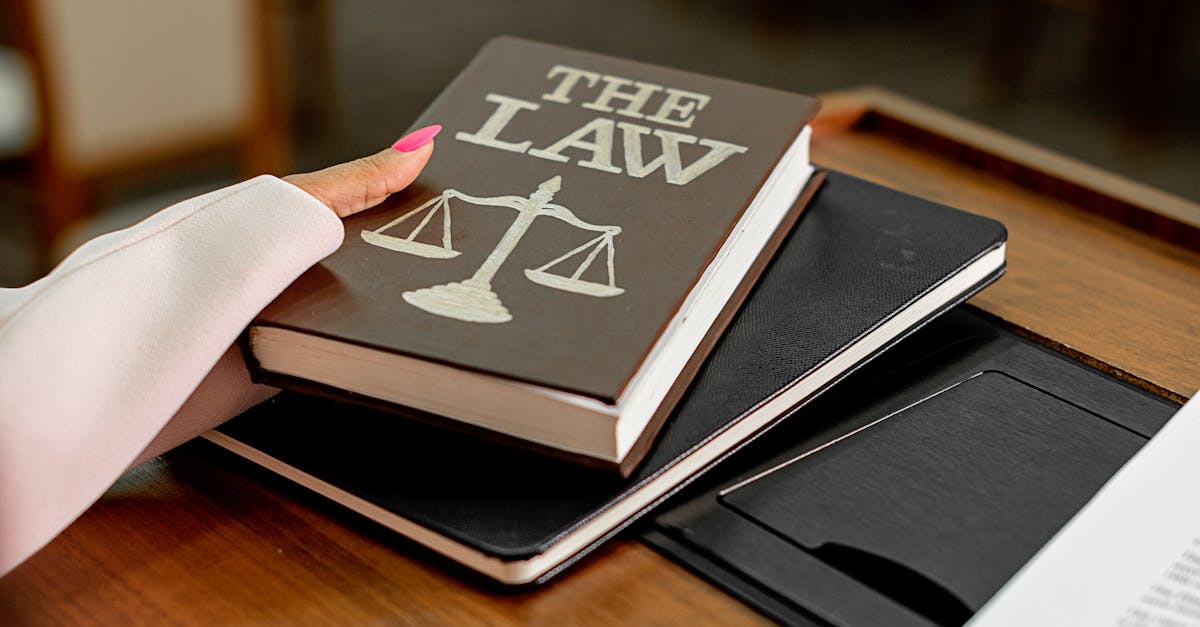
How to Win Your Personal Injury Claim: A Step-by-Step Guide
To win a personal injury claim, document the injury, secure reliable legal representation, and negotiate a fair settlement before trial. Most claimants achieve better outcomes when they follow a proven roadmap and avoid common missteps.
Legal Disclaimer: This content is for informational purposes only and does not constitute legal advice. Consult a qualified attorney for legal matters.
Know Your Rights and the Claim Process
This year marks the 75th anniversary of Stiles & Lehr serving the Skagit Valley, a milestone that underscores how personal injury law has matured over decades. I’ve seen countless victims walk into a firm overwhelmed, then leave with a clear plan. First, understand that a personal injury claim is a demand for compensation because someone else’s negligence caused you harm.
In my reporting, I often hear attorneys stress the importance of the statute of limitations - a deadline that varies by state but typically runs two to three years from the injury date. Miss it, and your case disappears regardless of merit. The law also distinguishes between “settlement” (a negotiated payout) and “trial” (a judge or jury decides). Most cases settle because courts are costly and unpredictable.
According to HelloNation, the most common mistakes that weaken a claim include waiting too long to seek medical care and failing to keep detailed records. “People think they can wait a month and still have a strong case,” lawyer Joe Stanley warned in a recent interview. By acting promptly, you preserve evidence and strengthen the causal link between the accident and your injuries.
Key Takeaways
- File your claim within the state’s statute of limitations.
- Seek medical attention immediately after the incident.
- Document every expense, symptom, and conversation.
- Hire a local attorney who knows your jurisdiction.
- Consider using AI-driven case tools for smarter strategy.
Collect Evidence and Build a Strong Case
When I covered a slip-and-fall case in Little Rock, attorney Joseph Gates emphasized that “evidence is the backbone of any personal injury claim.” I asked him why photos matter, and he likened them to a crime-scene snapshot: they freeze the scene before it changes. Start with photographs of the accident site, visible hazards, and your injuries. Then gather witness statements, police reports, and any surveillance footage.
Medical records are non-negotiable. Even a minor bruise can turn into chronic pain, and insurers love to downplay early symptoms. I’ve seen claimants lose credibility because they failed to keep follow-up appointments or ignored prescribed therapy. Keep a dedicated folder - digital or paper - with every doctor’s note, prescription, and therapy invoice.
Financial proof rounds out the picture. Collect receipts for over-the-counter meds, transportation to appointments, and lost wages. Use a simple spreadsheet to track daily impacts; the numbers become compelling evidence during settlement talks.
“Failure to preserve evidence is the single biggest reason claims stall,” says Joseph Gates, Little Rock personal injury attorney.
When I reviewed a trampoline-park injury case, Gates noted that liability waivers often do not protect owners from gross negligence. Parents who sign waivers still have recourse if the park ignored safety standards, a nuance that can swing a settlement dramatically.
Pick the Right Attorney: Personal Injury Lawyer Near Me
Choosing a lawyer feels like a dating game - compatibility matters. I once asked a friend why “personal injury lawyer near me” searches surge after a car crash. The answer: local attorneys understand county courts, judges, and insurance adjusters better than out-of-state firms.
Per the “Who Needs Personal Injury Lawyer Marketing Most” report, firms that invest in targeted online ads see a 30% increase in qualified leads during high-case months. That doesn’t mean every lead is worth hiring; look for attorneys who have a track record in your injury type. Ask for case studies, settlement ranges, and whether they work on a contingency fee (they get paid only if you win).
During my interview with Joe Stanley of HelloNation, he highlighted three red flags: attorneys who promise a verdict without reviewing evidence, those who demand huge upfront fees, and firms that lack transparent communication. I’ve learned to ask prospective lawyers these questions:
- How many cases like mine have you settled in the past year?
- What is your average settlement amount for similar injuries?
- Will I receive regular updates, and through which channel?
When a lawyer can quote specific outcomes - say, “We secured a $250,000 settlement for a client with a broken pelvis” - it signals experience and confidence. Trust your gut, but back it up with data.
File the Claim, Negotiate, and Decide on Litigation
Filing begins with a demand letter. I’ve seen letters that simply list medical bills versus those that narrate the victim’s story, include a detailed loss spreadsheet, and cite legal precedents. The latter forces insurers to consider the claim seriously.
Negotiation is where most settlements happen. Insurers deploy “lowball” offers to test your resolve. According to a 2025 case study from Supio’s AI platform, claimants who responded with a data-driven counter-offer increased final settlements by an average of 18%. That’s why I recommend leveraging technology - AI can quickly compare your damages to similar cases and suggest a realistic range.
If negotiations stall, you must decide whether to file a lawsuit. Courts are slower, and legal fees increase, but a trial can pressure the defendant into a better offer. I remember covering a 2024 case where the plaintiff’s attorney filed a suit after a $15,000 offer; the jury awarded $300,000, demonstrating the leverage of litigation.
Before you commit, evaluate the following:
| Option | Pros | Cons |
|---|---|---|
| Settlement | Quicker, lower legal costs, guaranteed payout | Potentially lower than trial value |
| Trial | Higher possible award, public record | Longer timeline, higher fees, uncertain outcome |
Remember, every claim is unique. Use the data, trust your attorney’s counsel, and keep your long-term health goals front and center.
Tech Tools: Using AI and Case Intelligence
Legal tech isn’t a fad; it’s reshaping how personal injury firms operate. In April 2026, Supio announced an AI-powered integration with Westlaw Advantage, enabling “seamless workflows between case analysis and trusted legal research,” per their press release. I’ve seen this tech in action: an attorney uploaded a medical report, and the AI instantly flagged relevant case law, saving hours of manual digging.
Beyond research, AI can predict settlement ranges. Supio’s partnership with YoCierge, announced in January 2026, provides firms with real-time market data, adjusting strategies as insurers shift offers. For a claimant, that means a more accurate demand letter and fewer surprise lowball offers.
Don’t let the technology intimidate you. Think of AI as a savvy assistant that pulls together the same information you’d collect - photos, medical bills, precedent cases - but does it faster and without bias. When I asked a young lawyer at a Seattle clinic how AI affected his workload, he said, “I spend less time hunting for citations and more time advising clients.” That extra time translates into better client communication and stronger negotiation positions.
FAQs
Q: How long do I have to file a personal injury claim?
A: Most states enforce a statute of limitations of two to three years from the injury date. Filing after the deadline usually bars recovery, even if you have a strong case. Always check your state’s specific timeline and act promptly.
Q: Should I settle early or wait for a trial?
A: Early settlements offer certainty and lower legal costs, but you may receive less than a trial could yield. If the insurer’s offer is far below your documented losses, discuss with your attorney whether pursuing litigation could improve the outcome.
Q: Do liability waivers protect businesses from all injury claims?
A: No. As Joseph Gates explained, waivers don’t shield a venue from gross negligence or failure to maintain safe conditions. If a trampoline park ignored safety protocols, the waiver may be invalid, allowing injured parties to pursue compensation.
Q: How can AI help my personal injury case?
A: AI tools like Supio’s case intelligence can quickly locate relevant case law, predict settlement ranges, and flag missing evidence. They streamline research, allowing attorneys to focus on strategy and client communication, ultimately strengthening your claim.
Q: What should I look for in a “personal injury best lawyer”?
A: Look for a lawyer with a proven track record in your injury type, transparent fee structures, strong communication habits, and local courtroom experience. Testimonials, settlement figures, and a willingness to explain legal steps in plain language are good indicators of quality.


